Hours Don't Lie, But They Don't Tell the Whole Truth Either: The Gap Between Playtime and Enjoyment

Open up your playtime tracker right now. Look at the game sitting at the top of your list — the one with the most hours logged. Got it? Now ask yourself honestly: is that actually your favorite game?
For a lot of gamers, the answer is a pretty uncomfortable no.
That's not a personal failing. It's the result of a whole cocktail of forces — social dynamics, game design psychology, and good old-fashioned FOMO — that quietly push your playtime in directions your gut never agreed to. Understanding the gap between time invested and genuine satisfaction is one of the most useful things you can do with your gaming data, and most players never even think to look.
Why Your Top Game Probably Isn't Your Best Game
Playtime is a blunt instrument. It measures how long you were in a game, not how much you wanted to be there. Those are wildly different things, and conflating them is where a lot of gaming dissatisfaction comes from.
Think about the mechanics that drive hours without necessarily driving enjoyment. Daily login bonuses. Battle pass timers. Limited-time events. Seasonal content that evaporates if you miss it. These systems are engineered to pull you back whether you're in the mood or not. They're not rewards for enjoying the game — they're penalties for not showing up. And if you've got a group of friends all running the same content, the social cost of skipping feels even higher.
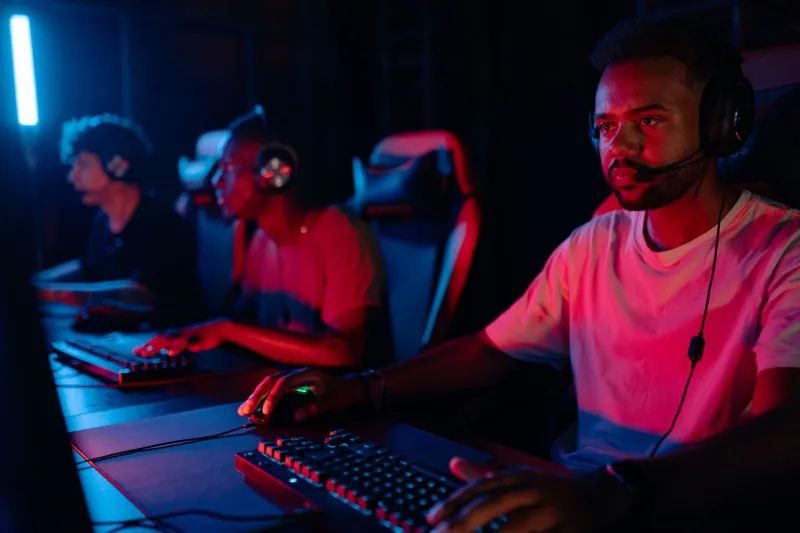
The result? You log another two hours on a Tuesday night not because you wanted to, but because the game — and your squad — made opting out feel worse than grinding through content you've already mentally checked out of.
The Social Multiplier Effect
Here's something GameTime Tracker data consistently surfaces when players start comparing their session logs: multiplayer-heavy games almost always sit at the top of playtime charts, even for players who rate those games lower in personal satisfaction surveys.
That's the social multiplier at work. When three or four friends are online and asking if you're jumping in, the decision to play isn't really about the game anymore. It's about belonging, about not being the person who ghosts the group chat. That's a completely human impulse — but it means your playtime clock is tracking social obligation just as much as it's tracking genuine engagement.
If you've ever finished a gaming session feeling vaguely hollow despite putting in a solid two or three hours, you've felt this firsthand. The hours were real. The fun was... debatable.
What Satisfaction Actually Looks Like in Your Data
So if raw playtime doesn't capture enjoyment, what does? This is where digging deeper into your tracking habits pays off.
A few patterns tend to show up in the sessions that players later describe as genuinely satisfying:
Voluntary return rate. Did you boot up the game again the next day without any external prompt — no notification, no friend request, no event timer? That's a strong signal of intrinsic motivation. Compare that to games where you can trace almost every session back to a social trigger or an in-game deadline.
Session length variation. Games you're genuinely into tend to produce sessions of wildly different lengths — sometimes you're in for 20 minutes, sometimes four hours, because you're following your own interest curve. Games you're grinding out of obligation often show suspiciously consistent session lengths that align with daily quest timers or how long your friends typically stay online.
Post-session mood. This one requires a bit of honest self-reflection, but it's worth tracking manually if you can. Did you close out of the game feeling energized, satisfied, or accomplished? Or did you feel like you'd just worked a second shift? Over time, that pattern tells you a lot more than the hour count does.
The Sunk Cost Trap Is Real and It's In Your Library
Another reason high-playtime games often aren't high-enjoyment games: the sunk cost fallacy hits gamers hard, especially with live-service titles.
You've put 300 hours into a game. You've built a character, unlocked cosmetics, maybe even spent some real money on a season pass or two. Walking away from that feels like admitting defeat, like all those hours were wasted. So you keep going back — not because the game is delivering, but because leaving feels like losing.
Your playtime tracker doesn't judge. It just records. But if you look at your session logs and notice that your engagement with a particular game has been declining steadily over the past few months — shorter sessions, longer gaps between them, more sessions that end abruptly — that's your data telling you something your ego might not want to hear.
How to Find Your Actual Favorite Games
Here's a quick exercise worth trying. Pull up your full game library sorted by playtime. Now mentally sort it a second time — this time by how excited you'd be to jump in right now, with zero external pressure, no friends waiting, no timers running.
The games that rise to the top of that second list? Those are your actual favorites. They might not have the most hours. They might be single-player titles that your friends have never touched. They might be older games you keep returning to every year. But they're the ones where the time you spent was genuinely yours.
Once you've identified that gap — between the games that dominate your clock and the games that actually feed your enjoyment — you can start making more intentional choices about where your gaming time goes.
Reclaiming Your Playtime
None of this means you need to quit multiplayer games or stop playing with your crew. Those sessions have real value — connection, competition, shared experience. But going in with eyes open changes things.
When you know you're logging in partly out of social obligation, you can set a mental boundary on how long you're willing to play before you're doing yourself a disservice. When you recognize that a game's daily quest system is the real reason you opened it up, you can decide whether that's actually how you want to spend your evening.
Your GameTime Tracker data is one of the most honest mirrors you've got as a gamer. It shows you exactly where your hours went, even when the reasons behind those hours were complicated. Use it to find the gap between time spent and time well spent — and then start closing it.
The games you love most deserve more of your clock. Your data can help you figure out which ones those actually are.