Gaming in Seasons: How to Build a Play Schedule That Survives the Whole Year
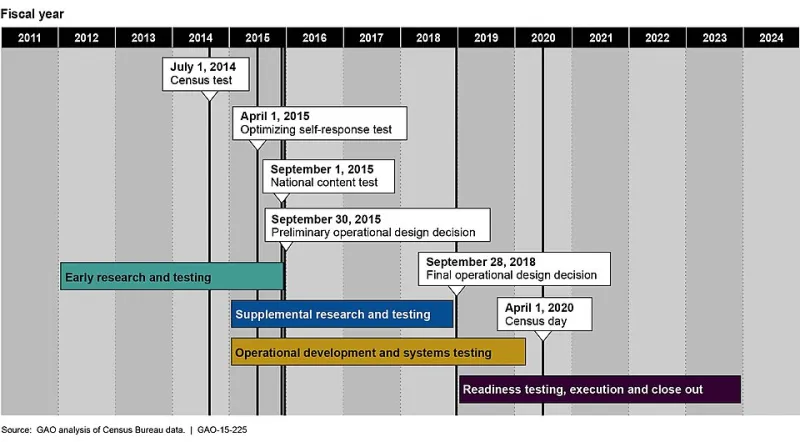
Photo: U.S. Government Accountability Office from Washington, DC, United States, Public domain, via Wikimedia Commons
If you've ever looked at your playtime stats and noticed you were absolutely crushing it in January, completely checked out by April, back in full swing come October, and then somehow logging your biggest hours ever in late November — congrats, you've already discovered something important. Your gaming life has seasons.
Most players experience this cycle without ever naming it or planning around it. They just feel weirdly guilty when the hours drop off, then scramble to catch up when the motivation floods back. But if you actually map out your patterns and build a game plan that works with those rhythms, the whole year starts to feel a lot more manageable — and a lot more fun.
Why Gaming Naturally Runs in Cycles
The gaming calendar has some pretty reliable external pressure points that affect almost everyone in the US market.
The holiday release window from roughly October through December is the most obvious one. Publishers know this is when attention and spending are highest, so they front-load their biggest releases into Q4. The result? A massive pile of new games arriving right when you also have Thanksgiving, holiday travel, and end-of-year work crunches competing for your attention. It's exciting and overwhelming in equal measure.
The summer slowdown hits differently depending on your life stage. If you have kids, summer means less alone time and more family obligations. If you're in school or recently out of it, summer might actually be your peak gaming window. Either way, the release calendar tends to thin out from June through August, which shapes the vibe whether you notice it or not.
The January reset is a real phenomenon. New Year's energy, leftover holiday gift cards, and the motivation to finally tackle that backlog all collide at once. January playtime stats tend to spike for a lot of players — sometimes dramatically.
Spring and early fall are often transition zones. Life picks back up after winter, outdoor activities compete for weekend time, and the next big release wave hasn't hit yet. These are natural valleys in the cycle.
Beyond the industry calendar, your personal life has its own rhythms layered on top — tax season stress, summer vacation, back-to-school chaos, major sports seasons if you follow those. All of it shapes when gaming fits into your life and when it doesn't.
Step One: Map Your Actual Pattern
Before you can plan anything, you need to know what your real seasonal curve looks like. Pull up your playtime history in GameTime Tracker and look at your monthly averages over the past year or two. Don't just look at total hours — look at consistency. Were there months where you logged time nearly every day versus months where you barely touched anything?
Mark the peaks and valleys. Then ask yourself what was happening in your life during each of them. You'll probably find the patterns aren't random at all. They're tied to specific circumstances that repeat.
This is your personal gaming calendar. It's more useful than any generic advice about when to play.
Planning Your Backlog Around Your Seasons
Once you know your high and low seasons, you can start matching game types to the right windows.
Save your big, demanding titles for peak season. If your data shows January and November are when you're most engaged and have the most time, those are the months to tackle a 60-hour RPG or a game with a brutal achievement list. Don't start a massive time commitment during a period when your history says you'll check out after two weeks.
Use your low seasons for shorter experiences. Indie games, narrative titles you can finish in a weekend, or games you've already beaten that you're revisiting for missed achievements — these are perfect for the months when your available time and mental energy are lower. You still get the satisfaction of finishing something without the pressure of a sprawling open world waiting for you.
Pre-load your wishlist before the holiday window. The October–December rush is when decision fatigue is real. You've got six major releases dropping in eight weeks and limited time to research all of them. If you've spent the summer and early fall curating your wishlist and tracking which upcoming games align with your play style, you're making better decisions with less stress when the flood hits.
Schedule your achievement pushes strategically. If you're working toward specific completions, look at your calendar before you commit. Starting a 40-hour achievement grind two weeks before you know work gets crazy is setting yourself up to abandon it halfway through. Your GameTime Tracker data can show you which previous completions you finished cleanly and what your schedule looked like during those runs.
Building In the Slowdowns (Yes, On Purpose)
Here's a counterintuitive move: actually schedule your low gaming months. Don't just let them happen to you — plan for them.
If your pattern shows you consistently drop off in March and April, put that on your gaming calendar. Decide in advance that those are light months. Clear your active game queue down to one or two low-pressure titles. Take the opportunity to write up notes on what you played over winter, update your tracker, maybe revisit some older favorites with no achievement pressure attached.
When you plan for the slowdown, it stops feeling like failure. You're not losing momentum — you're in your off-season. Every sport has one. Every musician takes breaks between tours. Gamers deserve the same permission.
The bonus is that when your natural peak season rolls back around, you'll come in with actual anticipation instead of dragging yourself back from burnout.
The Backlog Is Not Your Enemy — Timing Is
A lot of gaming anxiety comes from looking at a 40-game backlog and feeling crushed by it. But the backlog itself isn't the problem — trying to attack all of it during the wrong season is.
Think of your backlog as a seasonal pantry. Some items are quick and easy (great for low-energy months). Some are big, involved projects (save those for when you've got time and motivation). Some have expiration dates — multiplayer games where the player base will shrink, live-service titles with limited-time content — and those need to be prioritized regardless of season.
Organize your backlog with season tags. When January rolls around and you're ready to go hard, you've already got a shortlist of the meaty titles you saved for exactly this moment. When April hits and life gets hectic, you're reaching for the 8-hour indie game you tagged for exactly that window.
Your Calendar Is a Tool, Not a Cage
None of this is about rigidly scheduling every gaming session or turning a hobby into a project plan. It's about using the data you already have to stop fighting against your own natural patterns.
You're going to have high-energy gaming months and low-energy ones. The calendar is going to throw major releases at you all at once and then go quiet for weeks. Life is going to compete with your controller time in ways that are completely unpredictable.
But the broad shape of your gaming year? That's actually pretty consistent. And once you start reading it and planning around it, the hobby stops feeling chaotic and starts feeling like something you're genuinely in control of.
Track the hours. Notice the patterns. Build the schedule. Then actually enjoy the game.