Your Abandoned Games Are Trying to Tell You Something — Are You Listening?

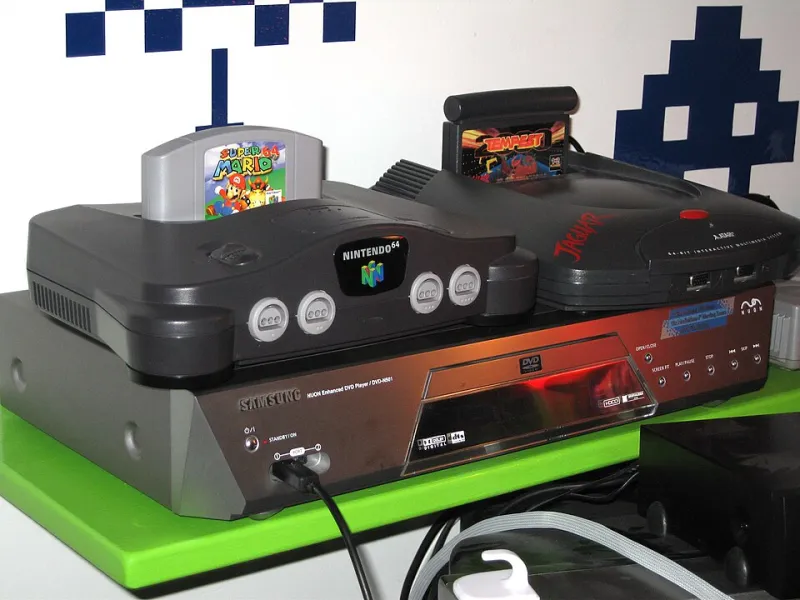
Photo: Scientific29, CC BY-SA 3.0, via Wikimedia Commons
Let's be honest. Most of us have a gaming backlog that looks less like a to-do list and more like a crime scene. Dozens — maybe hundreds — of titles sitting unplayed or half-finished, quietly judging you every time you boot up a new game instead. The gaming community loves to celebrate completion rates and 100% achievements, but here's a take you probably haven't heard: your unfinished games might actually be more valuable than the ones you've completed.
Yep. That graveyard of abandoned titles? It's data. And if you know how to read it, it tells a story about who you are as a gamer that no completion rate ever could.
The Completion Rate Trap
There's a cultural obsession in gaming circles with finishing what you start. Completion rates get displayed like badges of honor, and gamers with pristine libraries — every title finished, every achievement unlocked — get a kind of quiet respect. But completion rate is a pretty shallow metric when you think about it.
Here's why: finishing a game doesn't necessarily mean you enjoyed it. Plenty of players push through a mediocre title out of sheer stubbornness, logging ten or fifteen hours in a game that stopped being fun around hour three. Meanwhile, dropping a game after two hours because it genuinely wasn't your thing? That's not failure. That's self-awareness.
GameTime Tracker data paints an interesting picture here. Gamers who track their hours across large libraries — including the ones they never finish — tend to develop a much sharper sense of what actually resonates with them. They're not chasing completion for its own sake. They're learning.
What Your Backlog Patterns Actually Reveal
When you start logging your playtime consistently, patterns emerge fast. Take a look at the games you've abandoned and ask yourself a few questions:
- At what hour did you stop? Games dropped in under two hours often point to a mismatch in genre expectations or a slow opening that didn't hook you. Games abandoned around the eight-to-fifteen hour mark are more interesting — you were engaged enough to invest real time, but something shifted.
- What were you playing instead? If you can cross-reference your abandonment timestamps with what you played after ditching a title, you'll often find a clear pattern. Did you pivot to a faster-paced game? A shorter one? That tells you something about your attention span and pacing preferences at that particular point in your gaming life.
- Did you return? Some games get picked back up months later and suddenly click. Others never get a second chance. Both outcomes are informative.
This kind of pattern recognition is exactly what GameTime Tracker is built for. When your playtime history is all in one place, those individual data points stop being random and start forming a picture.
Abandoned Titles Aren't Failures — They're Filters
Here's a reframe that might change how you think about your backlog entirely: every game you abandon is actually doing you a favor. It's filtering out experiences that don't align with what you actually want from gaming.
Think about it this way. If you buy a book, read fifty pages, and put it down because it's not for you, you don't feel like a failure — you feel like someone who knows what they like. Gaming should work the same way, but we've somehow attached shame to the act of quitting.
Some of the most self-aware gamers out there have massive backlogs and middling completion rates. They try a lot of things, filter aggressively, and double down on what they love. That's actually a pretty healthy approach to a hobby that releases hundreds of new titles every single year.
Using Backlog Data to Shop Smarter
This is where tracking your playtime history pays off in cold, hard dollars — and if you're a US gamer dealing with $70 price tags on new releases, that matters.
Once you've identified your abandonment patterns, you can start applying them prospectively. Say your data shows you consistently drop open-world RPGs between hours six and ten, but you finish every tight, narrative-driven action game you start. That's a signal. Maybe you stop pre-ordering the next big open-world title and wait for a sale instead. Maybe you prioritize shorter, more focused experiences at full price and grab the epic sprawlers when they hit a deep discount.
GameTime Tracker's library view makes this kind of analysis genuinely practical. You can sort by completion status, filter by genre tags, and start to see where your money has historically gone versus where you've actually gotten the most enjoyment. It's not about guilt — it's about optimization.
The Backlog as a Living Document
One more thing worth considering: your backlog isn't static. The games sitting unfinished in your library today might be exactly what you need six months from now. Gaming moods shift. Life circumstances change. A game that felt too slow during a stressful work stretch might hit completely differently during a vacation week.
Tracking your initial playtime — even for games you've paused — means you always have a starting point when you're ready to return. You know where you left off in terms of hours invested, which helps you decide whether it's worth picking back up or starting fresh.
The completionists among us will always have a place in gaming culture, and honestly, there's something admirable about the dedication it takes to 100% a modern title. But don't let completion rate be the only lens through which you measure your gaming life. Your backlog is a record of curiosity, experimentation, and honest self-filtering.
And that's not something to be ashamed of. That's something to learn from.
Start Reading Your Own Data
If you haven't already connected your gaming accounts to GameTime Tracker, now's a solid time to start. The longer your history, the clearer your patterns become — and the smarter your future gaming decisions get. Your backlog isn't a problem to solve. It's a dataset waiting to be understood.